
The complaint comes from a cleaner at a park public toilet: in ten days, 23 stainless drainage channel covers disappeared. New covers were fitted, then stolen again. The thief lifted them at night, carried them out in several trips and sold them at a scrap yard for about 100 yuan. The replacement value was closer to 2,000 yuan. The pattern is not unusual in unattended public facilities, and it exposes a weakness that a product catalogue will not fix on its own.
A public toilet is a sanitary ware environment, so stainless is often chosen for hygiene and appearance. But a loose stainless cover is also a convenient piece of metal. When the specification stops at the material and ignores how the cover is fixed, the installation is designed to be removed.
The complaint: replaced on Monday, gone by Friday
The scene is a park, a transport interchange or a public convenience with no attendant at night. The floor has a linear drainage channel with stainless covers laid over the channel. The cleaner lifts them for daily washing, sets them back and locks the building. There is no fixing between the cover and the frame, because the cover is meant to be removable. Anyone with a flat bar can repeat the same lift in seconds.
The first theft is treated as vandalism. The second is treated as bad luck. By the third, the maintenance team is ordering the same loose covers again, and the cycle repeats. Meanwhile the open channel is a trip hazard, a place for debris to enter the drainage system and a route for odour and pests.
Five reasons public drain covers walk away
- Stainless has scrap value. A cover that looks like a simple metal plate has a resale value even when it is damaged. The lighter and easier it is to carry, the more attractive it becomes.
- Loose lay covers have no security. A cover that sits in a rebate with no fastener can be lifted by hand or with a small bar. A removable cover is necessary for cleaning, but removable does not have to mean unsecured.
- Public sites are unattended at night. A toilet block with no staff, no camera and no locked store is a low-risk target. The thief can work without being challenged and return after the replacement.
- Like-for-like replacement repeats the weakness. Ordering the same cover with the same loose fit restores the look but not the security. The next theft is predictable, and the maintenance budget pays for it again.
- The material was chosen for hygiene, not for the site. Stainless is the right choice where cleaning and corrosion resistance matter. In a remote landscape or a low-risk utility area, a polymer channel with low scrap value may be the more practical choice.
What not to do
Do not weld the cover shut. A sealed cover cannot be cleaned, and the channel will fill with silt and grit. Do not substitute a thin decorative plate that bends underfoot. Do not hide the problem by removing the channel from service, and do not fit a cover that is heavier than one person can safely lift for maintenance. The answer is controlled access, not permanent closure.
Specify for the site, not the catalogue
Start with the cleaning method. If the cover must be lifted daily, use a hinged cover with a lockable latch or a cover secured by tamper-resistant fasteners. If the cover is lifted only for quarterly maintenance, a bolted cover with security heads is reasonable. In either case, the frame must be anchored into the screed or the channel body, not laid on the surface. A cover that can be lifted with the frame attached is much harder to take away than a loose plate.
For a public toilet, the floor drain and channel specification should include:
- Material: 304 stainless for normal indoor public sanitary ware; 316 where coastal air or chloride cleaners are present. Confirm the grade on the submittal, not just the finish.
- Load class: A15 for pedestrian areas; B125 where cleaning carts or light vehicles cross the channel. The cover must not flex or rock under a loaded trolley.
- Slot and heel safety: slot width and bar spacing should suit the footwear of the public. A heelguard design reduces the chance of a heel or walking stick catching between bars.
- Water seal: a minimum 50 mm seal on the trap, with accessible cleaning. A dry trap turns an open channel into an odour route.
- Fixings: tamper-resistant screws, a hinged frame or a lockable access cover. Keep a record of the fixing type so replacements match the installed base.
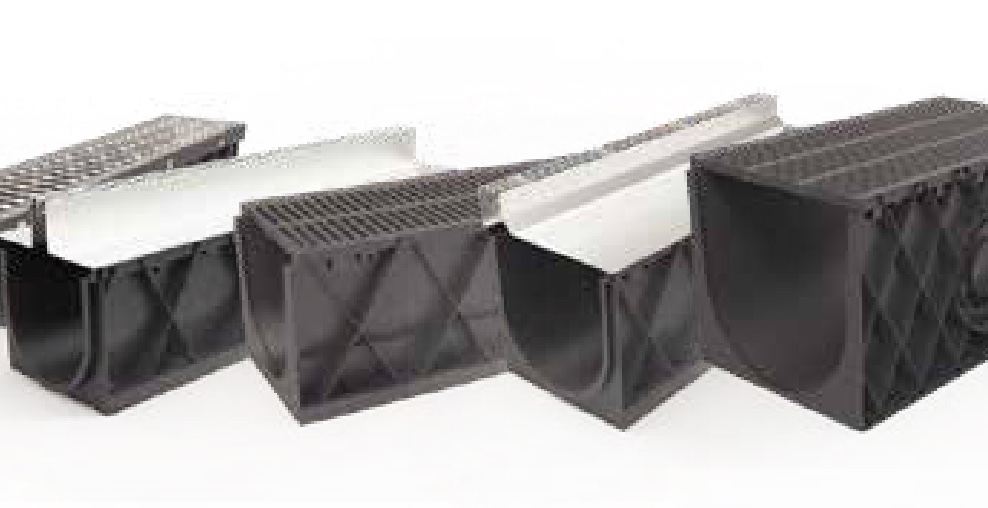
- Alternative material: a heavy-duty HDPE drainage channel has a much lower scrap value and is less attractive to a metal thief. It is not a substitute for stainless in a high-hygiene area, but it is a sensible choice in a remote landscape or utility zone.
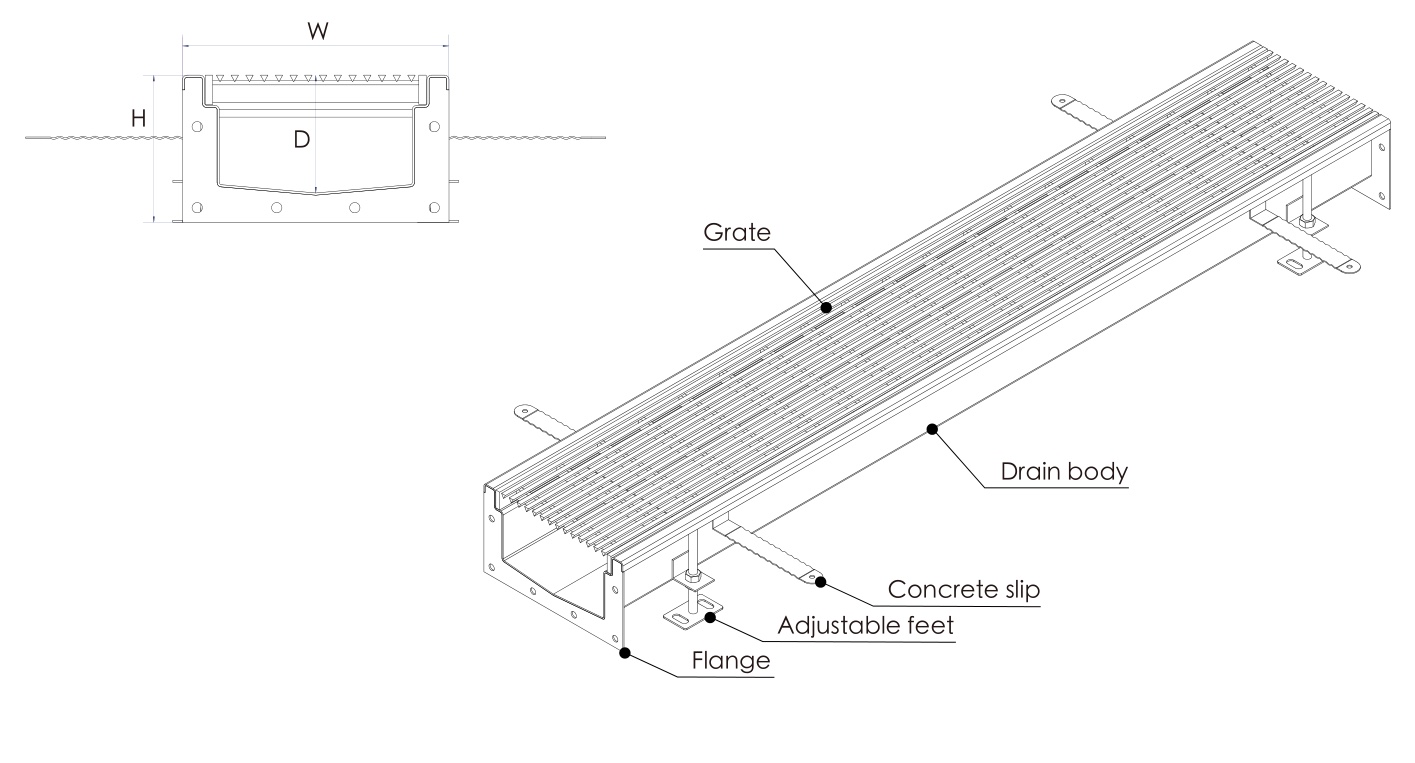
Where a stainless channel is required, consider a trench drain with a bolted or hinged cover rather than a loose-lay grate. A recessed access cover over a junction or cleanout should also be fixed, not simply dropped into the rebate. The cost of a security fixing is small compared with a second or third set of covers.
Certification and replacement records
For the drainage products, specify CE EN1253 Certified floor drains where applicable, WaterMark Certified products where the project requires Australian compliance, and ISO 9001 Certified manufacturing. Record the cover size, material, load class and fixing type in the asset register. Photograph the installed cover and note the date. If a cover is stolen, the replacement can then match the frame instead of starting a new measurement exercise.
Mark the covers discreetly and keep a small stock of the correct fixings. Report each theft, because a pattern of repeated losses is evidence for a design change rather than another purchase order. A public drainage system should be specified for the people who clean it, the public who use it and the reality that some of them will try to take it apart.
Where to start
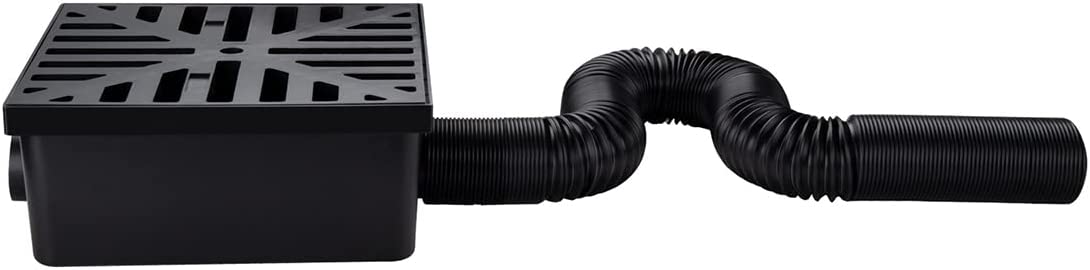
If a public toilet or park facility is losing covers, stop ordering the same loose plate. Measure the frame, confirm the cleaning routine and choose a fixed, hinged or lockable cover that can still be opened by maintenance. Browse HDPE channels, plastic catch basins and stainless trench drains, or send us photographs of the existing channel, the frame and the way the cover sits. We can help specify a drainage system that keeps the cover in place without making the channel impossible to clean.