
The complaint comes at the end of the shift, every shift. The bakery floor is swept, the washdown hose starts, and the floor drain in the production room backs up within minutes. The water turns milky, then thick, then stops. Someone pours hot water down the line, and the blockage sets harder. By morning the room smells of sour dough and the line is slow again.
This is not a grease problem. It is a flour problem. Flour and water form a paste; heat gelatinises the starch and makes the paste tighter. The channel is being asked to swallow a solid that behaves like glue, and the washdown routine is making it worse.
The complaint: the line blocks at the same point every washdown
The scene is a bakery, pastry kitchen, noodle plant or any room where dry flour is handled. Flour lands on the floor, water carries it to the channel, and the fine particles hydrate on the way. The grate looks clear because the paste passes the bars; the blockage forms in the channel invert or at the outlet.
The response is usually heat and caustic, but hot water cooks the starch and caustic swells the paste. The line may open for an hour, then close again. The root cause is the solid load and the line's ability to keep it moving.
Six reasons the paste sets like glue
- Flour hydrates before it reaches the drain. A fine powder plus water is a cohesive paste. It does not behave like sand or grease; it sticks to the channel wall and reduces the effective bore.
- Hot water gelatinises the starch. Starch granules absorb water and swell when heated. The paste becomes more viscous and harder to flush, which is why the "hot water fix" often makes the next blockage worse.
- The channel fall is too flat. A paste needs velocity to move. A 1:200 or flatter run gives it time to settle. The invert fills from the bottom up, and the top of the pipe still looks open.
- The grate opening is too narrow for the washdown volume. A slot cover passes water but not the flour solids. Water backs up on the floor, and more flour is carried into the channel before the flow can recover.
- There is no dry clean before the wet clean. Sweeping or vacuuming the flour before the hose starts removes most of the load. When the floor is washed first, the entire flour inventory becomes a slurry.
- The channel has no access for cleaning. A channel with a fixed grate and no cleanout cannot be brushed at the blockage. The only option is chemical, and the chemical treats the symptom.
What actually fixes the complaint
Change the sequence before changing the channel. Scrape and vacuum dry flour first, then wash. Use a squeegee to push slurry to the drain in a controlled volume, not flood the room. Empty the outlet strainer at every break.
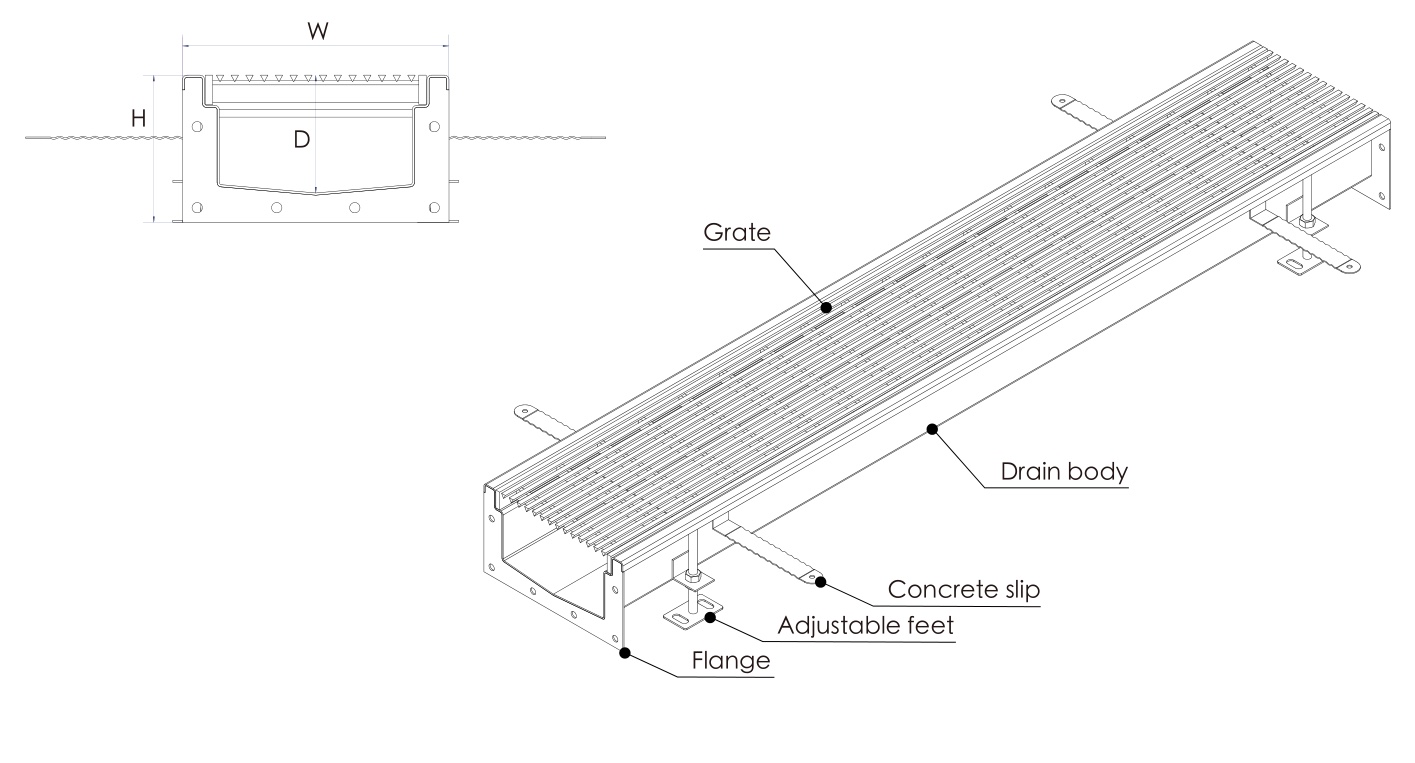
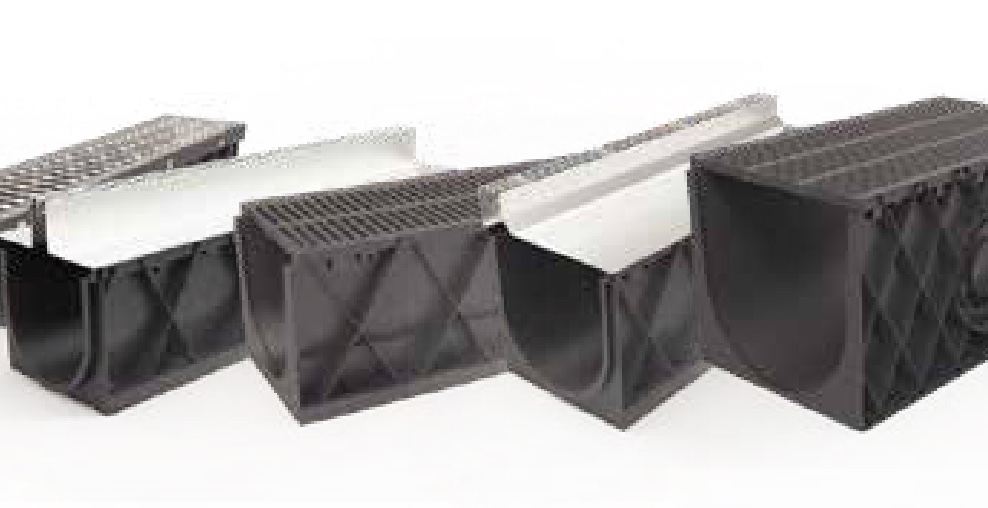
For the line itself, choose a channel that can be opened and brushed. A stainless trench drain with a removable grate, smooth welds and a continuous invert is easier to clean than a narrow slot with no access. A wide HDPE drainage channel gives the paste more room to travel, but it still needs fall and access. In sanitary ware, the channel is often selected for appearance; in a bakery, it should be selected for cleanability.
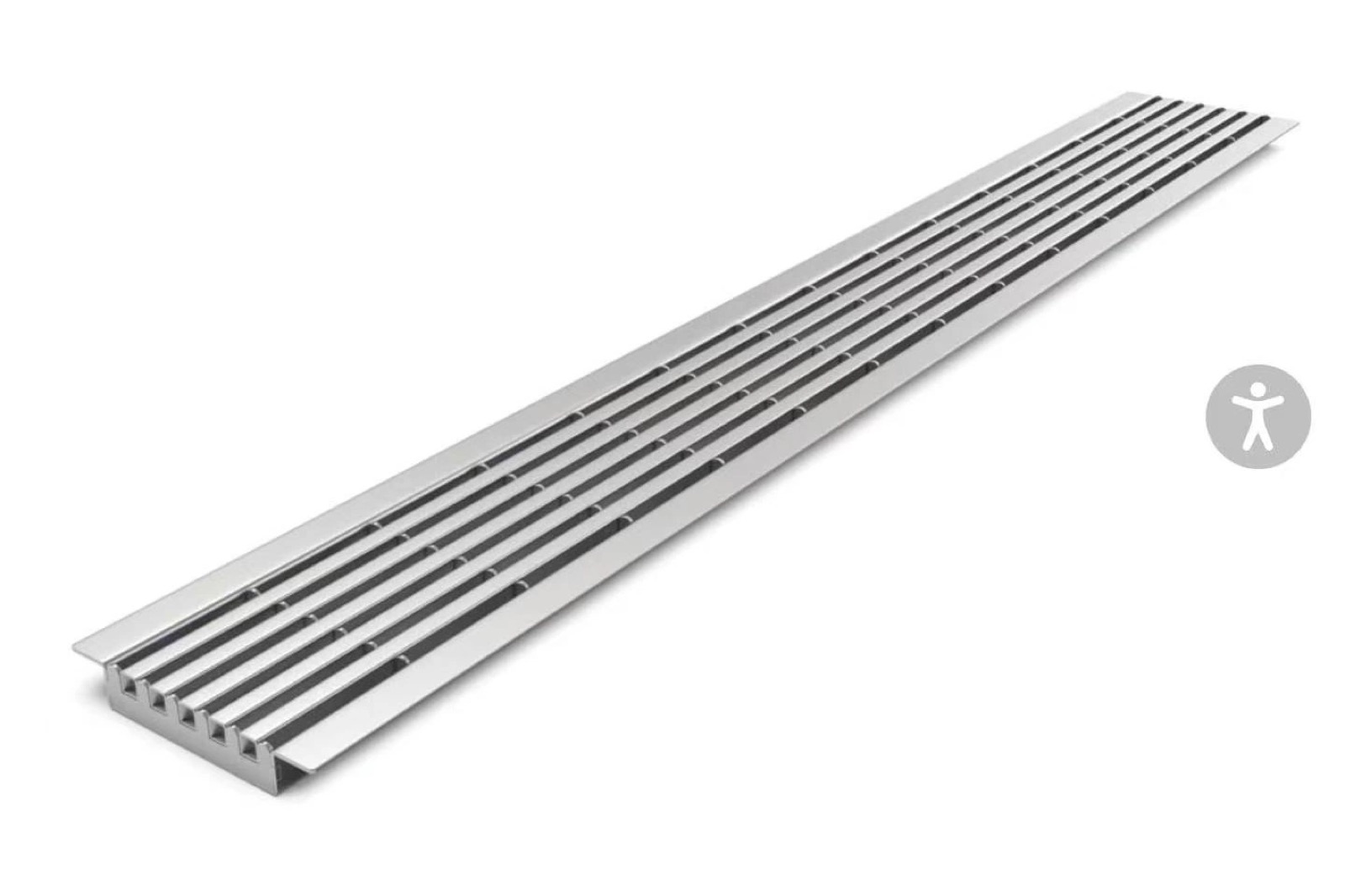
The grate matters. A wedge-wire grate with a 5×4 mm wire profile and a controlled opening passes water while retaining larger lumps. A slot cover may be too restrictive for a washdown with solids. The grate should be removable without tools, because it will be lifted every day.
Add a catch pit or a cleanout at the low point. The pit gives the paste somewhere to settle before it reaches the outlet, and the cleanout gives maintenance a place to rod or brush. A drainage system that cannot be opened is a system that will be treated with chemicals until the pipe is replaced.
Do not use hot water or strong caustic first. Scrape, brush, and flush with warm water at a controlled volume. If a cleaner is needed, use one specified for starch and flour, follow the contact time, and rinse thoroughly.
Numbers that matter
Fall is the first number. A washdown channel should have a continuous fall of about 1:100; flatter than 1:150 gives paste time to settle. Confirm the fall along the entire run, not only at the grate. A 300 mm wide drainage channel has more capacity than a 100 mm channel, but width does not replace fall.
Load class follows the traffic. A15 is for foot traffic and light trolleys; B125 for pallet trucks and light vehicles; C250 for heavier commercial traffic; D400 for roads. A bakery floor is usually A15 unless pallet trucks cross the channel; then the frame and grate must match the wheel load.
Opening size and access matter. A 181 mm wide stainless channel with 1000–2000 mm modules can be brushed by hand; a 300 mm HDPE channel gives more room for high-volume washdown. A 50 mm water seal is the usual minimum where odour is a concern, and the trap must be accessible for cleaning. R10 or R11 slip resistance is a common target for the surrounding floor in a wet production room.
Material choice should follow the cleaning routine. Stainless 304 is suitable for general bakery washdown; 316 is safer where chlorinated sanitisers or salt are used. HDPE is resistant to many chemicals and is a practical choice for a light-duty channel, but it must be installed with the correct bedding and fall. A floor drain at a low point can handle local water, but it is not a substitute for a channel sized for the washdown volume.
Certification and verification
Ask for a trench drain and grate CE marked to EN 1433 where the product is in scope, or a floor drain to EN 1253, and supplied under an ISO 9001 quality system. For Australian projects, ask for WaterMark where the product page states it. Check that the load class covers the assembly and that the grate can be removed for cleaning.
At commissioning, run a washdown test with the actual flow and solids. Watch the invert, outlet and catch pit. If water stands or paste accumulates at a joint, correct the fall before handover. Add the dry-clean step to the schedule; the best channel will still block if flour reaches it as slurry.
Where to start
If the channel blocks every shift, stop pouring hot water and remove the flour before it gets wet. Check the fall, grate opening and access. Browse hygienic stainless trench drains, wedge-wire grates and wide HDPE channels, or send the washdown volume, floor plan and photos and we will help specify a channel that can be cleaned in the time the shift allows. In sanitary ware, the channel is only one part of the drainage system; the cleaning routine and access decide whether it stays open.