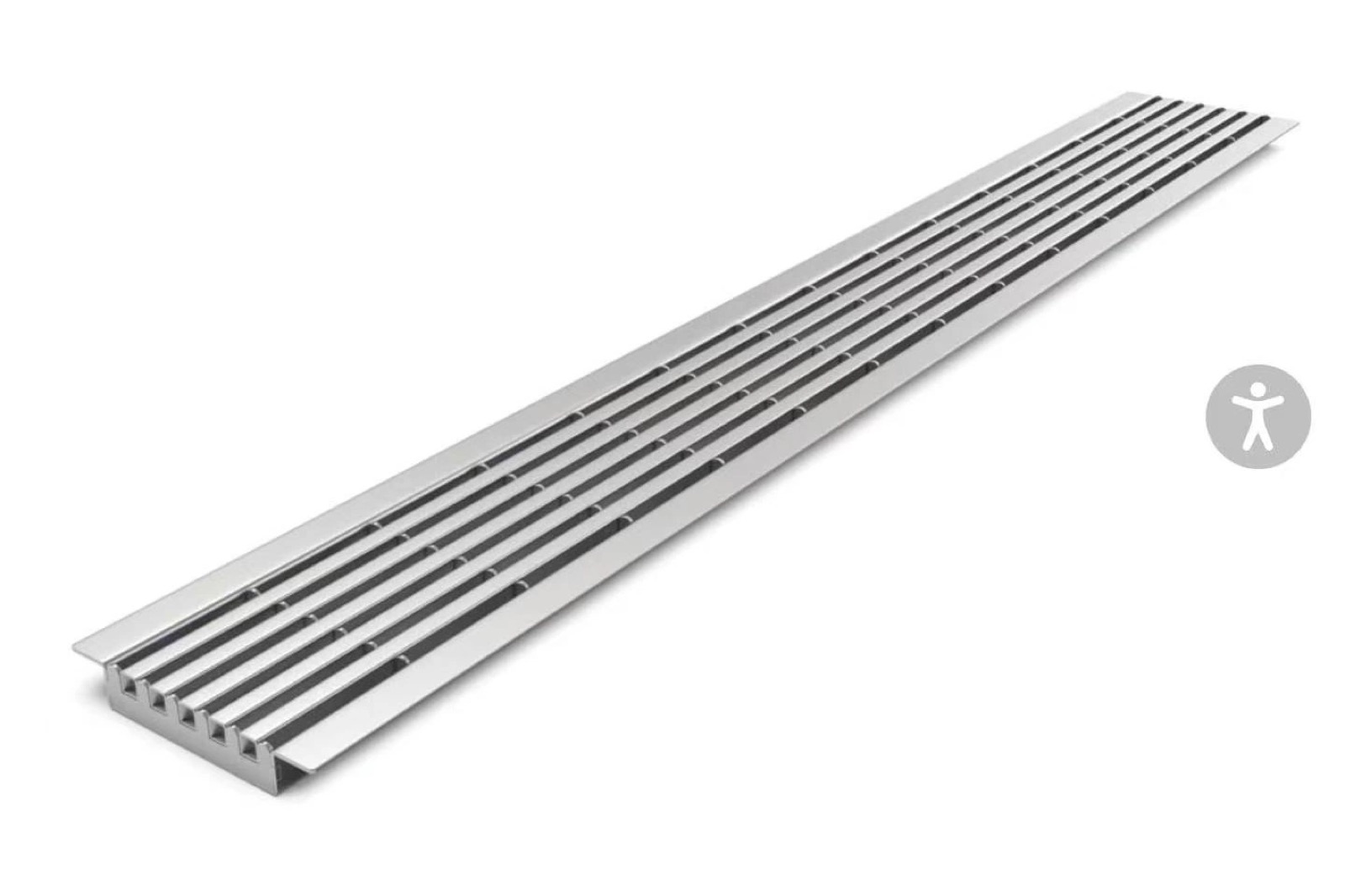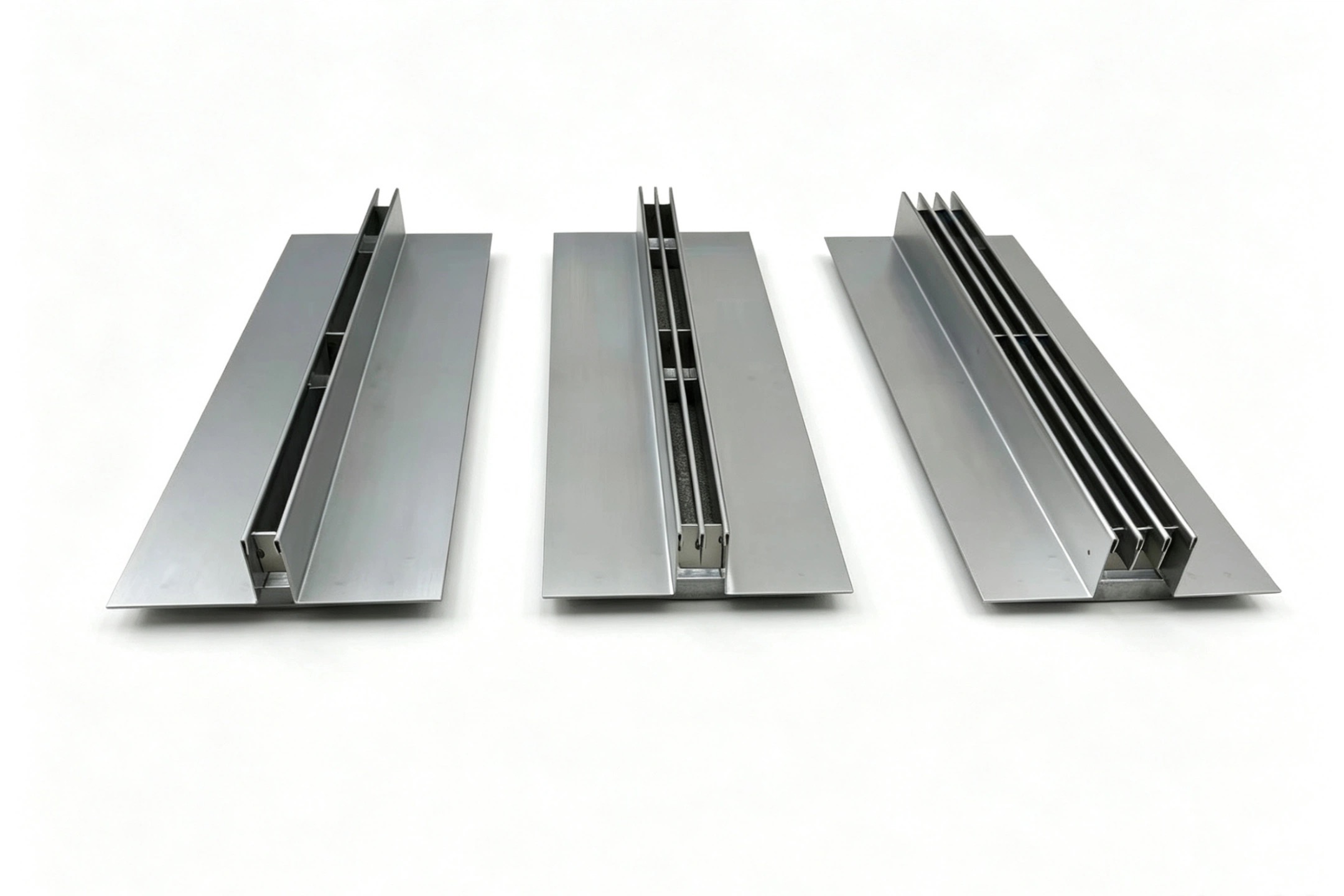

The customer orders a replacement grate using the size on the old one. The new grate arrives, looks right, and does not fit. It rocks at one corner, sits a few millimetres proud, or the screw holes miss the frame by half a hole. The supplier is blamed for sending the wrong size. The old grate is measured again and the size is correct. The problem is the frame, not the grate.
This complaint is common in older buildings, car parks, commercial kitchens and any floor that has seen years of traffic. A drain frame is a fixed component, but it is not a rigid one. It can settle, distort, corrode or be damaged by a load it was never specified for. Once the frame is out of shape, a new grate of the original size will not seat, and no amount of gasket or silicone will make it safe.
The complaint: the size is right and the grate still will not fit
The usual sequence starts with a missing, broken or stolen grate. The maintenance team measures the opening, finds a product with the same nominal size, and orders it. The new grate is the right length and width, but it does not sit flush. Sometimes it fits one end and not the other. Sometimes it drops in but rocks underfoot. Sometimes the screw holes are close but not close enough, and the fitter forces a screw, cross-threads it, and leaves the cover loose.
In a floor drain, the frame is bedded into the screed or concrete. In a drainage channel, the frame is part of the channel body or a separate edge rail. Both rely on the frame staying square, level and at the right depth. Traffic, settlement, thermal movement and corrosion all work against that. The grate is the visible part; the frame is the part that decides whether the assembly is safe.
Six hard failures behind a grate that will not seat
- The frame is distorted, not the size. A frame that has been hit by a pallet truck, loaded on one corner or bedded on a void can twist. The opening may still measure the same across the top, while the diagonals differ. A new grate is straight, so it bridges the high corners and rocks on the low one.
- The seat depth is wrong. The grate sits on a ledge inside the frame. If the ledge is worn, filled with grout or reduced by a tile lip, the grate sits proud. If the ledge is too deep, the grate drops and the cover stands below the floor, collecting water and grit.
- The screw hole centres have moved. Screw holes are not always symmetric. A frame that has been re-bedded, repaired or replaced may have holes at different centres. A grate with the correct outside size can still miss the screws. Forcing the screw cracks the frame or strips the thread.
- The frame is not square. A channel frame that has spread at one end will accept the grate at the narrow end but not the wide one. The fitter may cut the grate or leave it out. Both are failures.
- The load class is wrong. A light grate in a heavy traffic area will bend, and a bent grate no longer seats. The frame may also be under-specified. Replacing the grate without checking the class repeats the failure.
- The bedding has failed. A frame bedded on a void or on loose mortar will move under load. The grate then rocks, the frame edge breaks, and the repair becomes a civil job rather than a grate swap.
What actually fixes it
Before ordering, measure the frame, not only the old grate. Check the outside length and width, the internal opening, the seat depth, the screw hole centres and the diagonals. Put a straightedge across the frame in both directions and measure the gap. A frame that is more than a couple of millimetres out of plane is not a candidate for a straight replacement grate; it needs to be re-bedded or replaced.
If the frame is sound and the seat is worn, a grate with an adjustable seat or a deeper profile may restore the fit. If the screw holes have moved, do not force the original screws. Use the correct fixings for the frame, or replace the frame with a model that has a matching grate and cover. In a channel, a replacement grate should be ordered with the frame or edge rail as a set when the old system is obsolete.
A drainage system is only as good as its joints. If the frame is in a wet area, the waterproofing should be turned into the body and the frame should be fixed without piercing the membrane. If the frame is in a kitchen or plant room, the bedding should be able to take cleaning chemicals and thermal movement. The grate should be removable for cleaning, but it should not be loose enough to rattle or lift underfoot.
Numbers that matter
A straightedge check should show a gap of no more than about 1 mm across the frame; a greater gap means the frame is out of plane. The seat depth should be enough to hold the grate flush, typically a few millimetres, without a lip that catches water. Screw hole centres should be measured centre-to-centre, not edge-to-edge, and checked in both directions. The internal opening should be measured at the narrowest point, because a frame that has spread will be wider at the top than at the seat.
Load class matters more than appearance. A15 is for foot traffic and light trolleys; B125 for car parks and light vehicles; C250 for heavier commercial traffic; D400 for roads and heavy industrial areas. A grate that is one class too light may look fine on day one and bend under the first pallet truck. The frame, the bedding and the grate must be in the same class. The outlet size and the fall also matter: a grate that sits correctly but passes water slowly will still leave the floor wet.
For a trench drain, the frame is often part of the channel. If the channel has settled, the grate will not seat even if the size is right. Check the channel joints and the fall before ordering a replacement.
Certification and verification
Ask for a grate and frame that are CE marked to EN 1433 for channels or EN 1253 for floor drains where the product is in scope, and supplied under an ISO 9001 system. For Australian projects, ask for WaterMark where the product page states it. The certificate should cover the assembly, not only the grate. On delivery, check the dimensions against the frame drawing, not the old grate alone, and check the load class marking on the product.
Where to start
If a replacement grate will not seat, measure the frame, check the diagonals and the seat depth. If you are specifying a new drain, order the frame and grate as a matched set with the load class. Browse grates, slot covers and channel accessories, or send us photos of the frame with a tape measure to identify the right fit.