
The call usually starts with the same sequence: the shower is running, a ring is taken off beside the basin, and a small metallic sound comes from the drain. By the time the water is switched off, the item is below the cover. The immediate question is whether it is still in the trap. The longer question is why a bathroom drain designed to take water gives small valuables such an easy route out of the room.
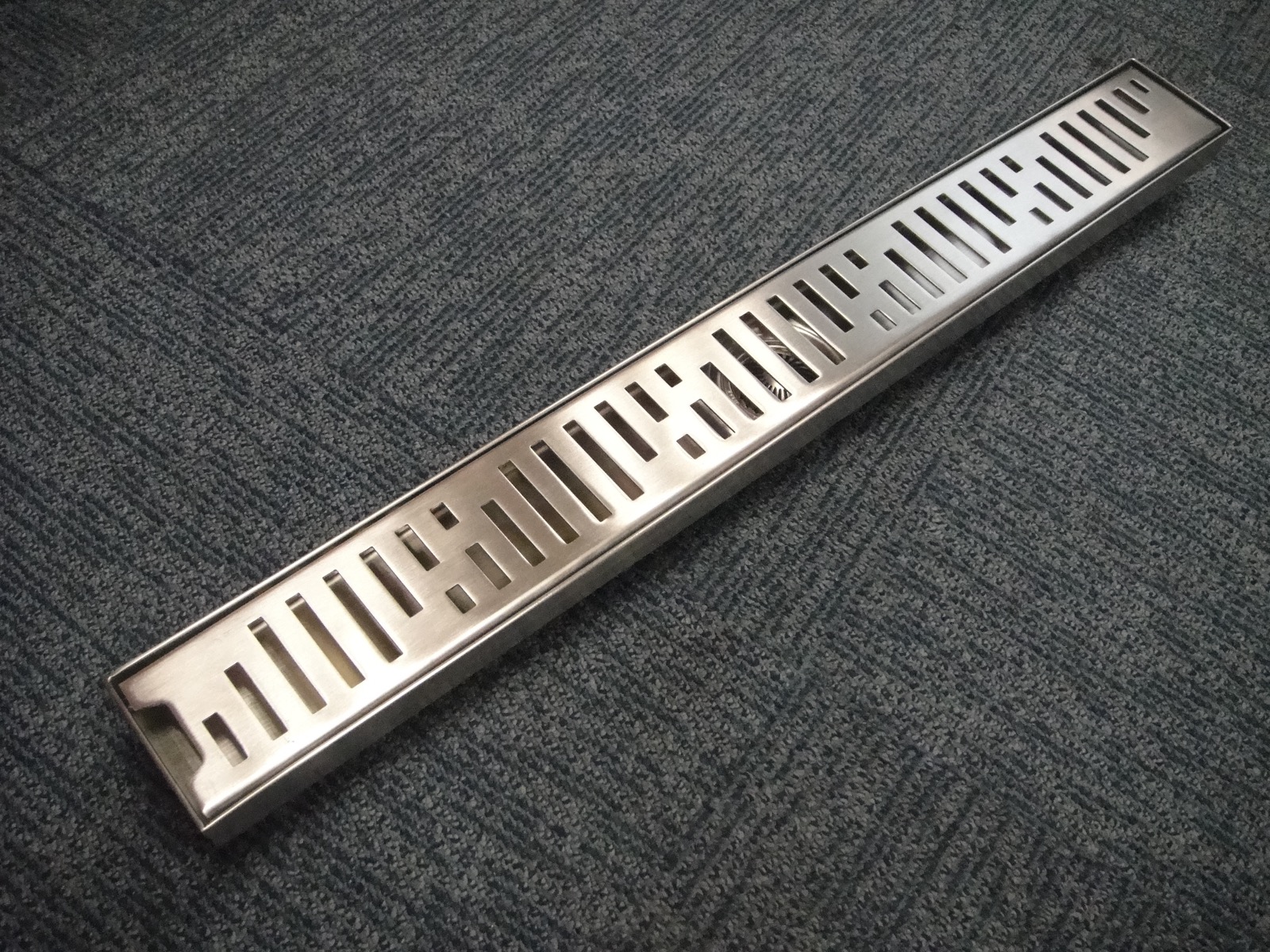
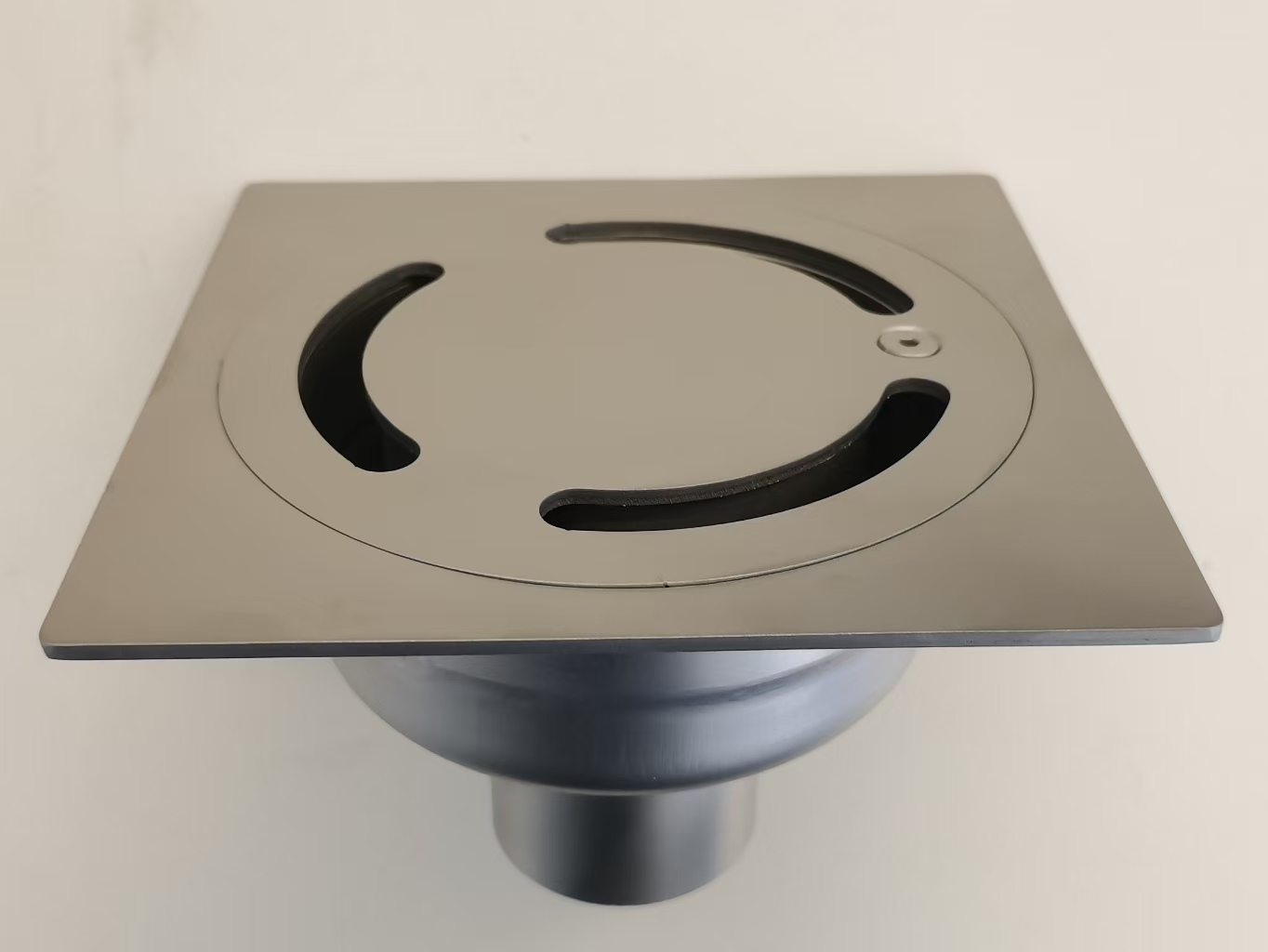
A shower floor drain is a compromise between flow and protection. The cover needs open area for water; the slot or hole pattern also sets the smallest object that can pass. A linear cover with long slots can look sleek and still leave a gap wide enough for a ring to slip through edge-on. A square cover with a mesh basket gives another layer, but only if the basket is fitted and seated. The drain is the hardest-working piece of sanitary ware in the room, yet it is often chosen last, after the tile and the shower screen.
The complaint: 'It was there one second and gone the next'
In a shower, the item usually lands on the cover and slides. Water flow, soap and the slope of the tiles move it toward the slot. A ring does not need to fall through the widest part; it can go through a narrow slot at an angle. Earrings, contact lenses, small toys and razor caps follow the same path. The sound is often the only warning.
Below the cover, the item may sit on the grate, fall into a shallow tray or enter the trap. The outcome depends on the drain body and the waste connection. A drain with a removable cover and a basket gives two chances to stop it. A drain with a deep, inaccessible trap turns a two-minute check into a ceiling or tile removal. That is the part most buyers never see in a showroom.
Five reasons small items get past the cover
- Slot width is chosen for looks, not for retention. Long linear slots have a large open area, but they also present a continuous opening.
- There is no secondary basket. The cover catches hair; it does not catch a ring. A mesh basket or debris tray below the cover is the second line of defence, and it must be fitted, seated and cleaned.
- The cover needs tools to remove. If the cover is fixed with four screws and the screws are inaccessible or corroded, the item stays below while someone searches for a screwdriver. A cover that needs a knife to lift is worse: it damages the tile and the finish.
- The trap is deep or offset. A shallow tray can be reached by hand. A deep trap with a horizontal outlet may require removing the drain body or opening the floor. The difference is a design decision, not a cleaning decision.
- The wrong response makes it worse. Chemicals, a coat hanger or a household vacuum can push the item further, damage the trap or scratch the finish. A strong magnet can also snag on the grate instead of retrieving the ring.
What actually works when the item is already gone
Stop the water first. Keep everyone off the fixture. Lift the cover only if the fixing method is clear; a screw-fixed cover should be undone, not prised. Look into the tray with a torch before reaching. If the item is visible, use a soft grabber or gloved fingers. Do not use a magnetic tool on stainless unless it is designed for retrieval, because a strong magnet can snag on the grate.
If the item is not visible, do not pour drain cleaner. It will not dissolve a ring, and it can damage the finish and make the trap unsafe to open. Call a plumber with a camera if the trap is not accessible.
Designing the drain so this happens less often
For a new shower, choose a cover with a slot pattern that matches the items used in the room. A 4–6 mm slot is tight for water and still not a guarantee; the safe approach is a removable cover plus a basket, not a narrow slot alone.
A screw-fixed cover is an advantage when it is designed for service: the fixings are accessible, the cover lifts clear, and the trap can be reached without dismantling the tile. For linear drains, confirm that the cover can be removed without disturbing the tile insert, and that the waste trap is reachable through the body.
The TWS150 is a 150×150 mm square floor drain with a screw-fixed cover and a built-in water-seal trap; the 50 mm outlet matches common bathroom waste. The FS65FO is a linear shower drain in 600–1200 mm lengths with a 46/50 mm outlet and SS304/316 body. The SS mesh floor grate adds a debris-catching layer where a basket is specified. These are different tools: the square drain suits a compact shower with a single low point; the linear trench drain suits a long wet-room slope. In both cases, the cover must be removable and the trap must be reachable.
The checks that matter on site
Before the tile is laid, confirm the drain body height against the finished floor. A drain set too deep leaves a recess that holds water and small items; a drain set too high leaves a lip that trips. Confirm the outlet size and the trap depth against the waste run. On a linear drain, check that the cover sits on the frame, not on the tile edges. On a square drain, check that the screw holes align and that the screws are stainless; a plated screw in a wet shower is a maintenance problem waiting to happen.
Keep a maintenance card with the cover type, screw size and trap access method. A cover is the access point to the whole drainage system. A cleaner who knows how to lift the cover will not force it. A guest who knows where the basket is will not push a ring deeper with a brush. The card is a small item, but it protects a drainage system that may be behind a finished wall.
Certification and the limit of the label
Specify CE EN 1253 for floor drains, CE EN 1433 for drainage channels where applicable, and ISO 9001 manufacturing. WaterMark is relevant where the product is supplied for the Australian market. Certification confirms that the product was tested to the declared standard; it does not replace installation checks. A certified drain with a missing basket still lets a ring through.
Where to start
If a shower is still being chosen, start with the cover and the trap, not the finish. It is the least glamorous piece of sanitary ware, but the one a guest touches. Pick a cover you can lift, a basket you can clean, and a trap you can reach. Browse our shower drains, linear trench drains and stainless floor grates, or send the shower dimensions, waste position and tile thickness. We can help match a drainage channel and trap to the room, so the next small sound is not a lost ring.