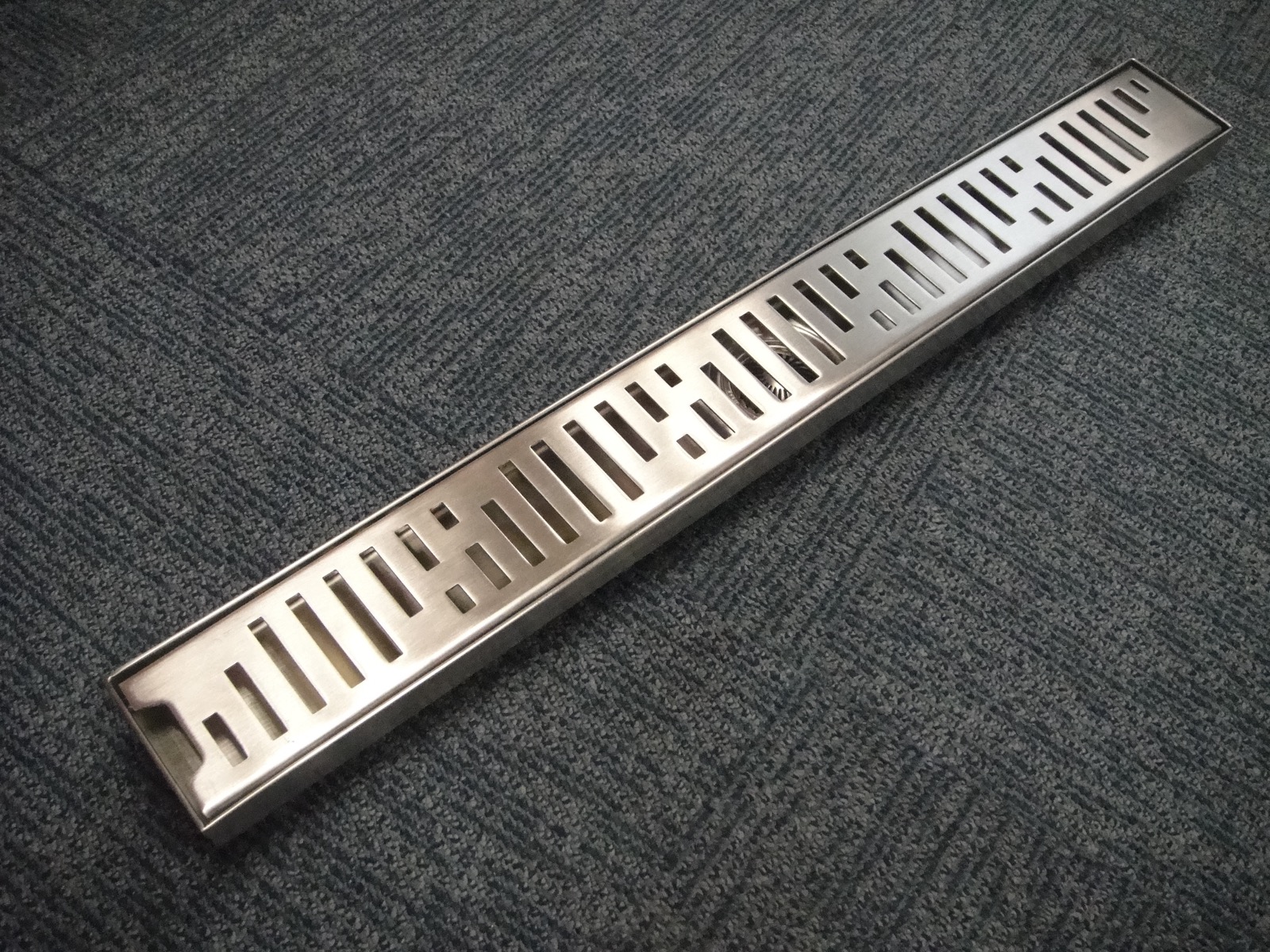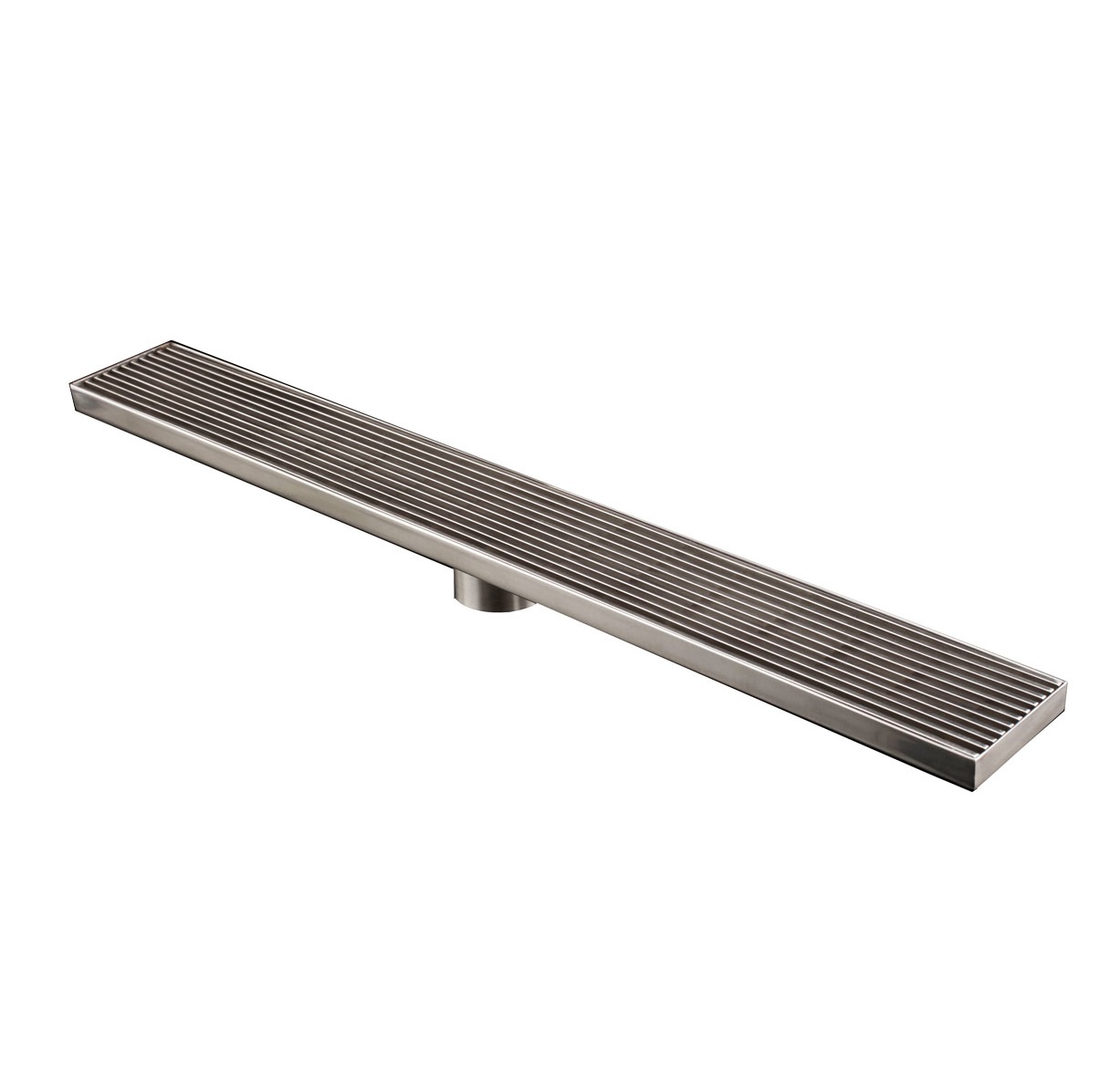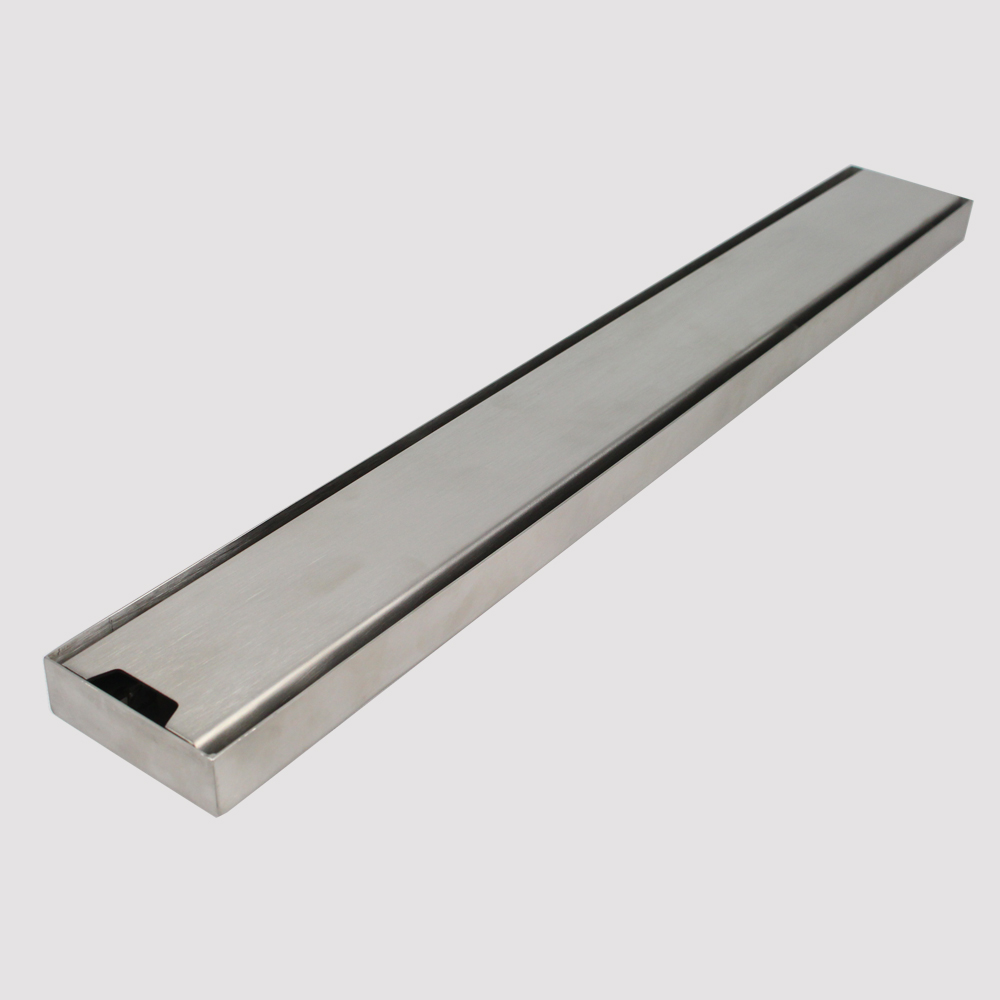

The complaint starts with a small rattle. A guest steps on the shower grate and it clicks. The maintenance fitter lifts the cover, turns the screw, and the screw spins without tightening. The other screws are fine. The cover is not worn out and the thread is not obviously crossed, but the hole no longer holds. A week later the cover lifts underfoot and water passes underneath.
A floor drain cover screw is a small fastener doing a large job. It holds the grate down against a gasket or seat, keeps the cover aligned and lets the drain be cleaned. When the thread strips, the cover becomes a loose lid. Water, hair and cleaning chemicals enter the gap, and the rattle becomes a leak path.
The complaint: one screw turns forever
The screw may turn freely in both directions, or it may tighten for half a turn and then slip. The cover rocks at one corner. In a linear drain, the loose end may sit a millimetre high, enough for water to run under the cover instead of into the channel. In a shower, the movement is felt underfoot. In a commercial kitchen, the gap collects grease and the cover is hard to remove at the next clean.
Do not solve this by fitting a larger screw. That removes the last useful thread and makes the frame unrepairable. Diagnose the cause first.
Five reasons a cover screw strips
- Overtightening. A small stainless screw into a thin formed frame has limited thread depth. The installer keeps turning after the cover is seated, and the thread yields.
- Cross-threading. The screw is started at an angle. It cuts a second, shallow path and never engages the original thread.
- The wrong screw. A longer screw, a different pitch or a thread-cutting screw is used in a tapped hole. The first removal damages the thread.
- Thin or unsupported frame. A cover seat with less than a full thread depth, or a frame that flexes, cannot hold the screw under repeated cleaning and thermal movement.
- Corrosion and seizing. A dissimilar screw, chloride cleaners or a wet gap can seize the fastener. The fitter forces it, and the thread tears out on removal.
Diagnose the hole, not just the screw
Remove the cover and inspect all four holes. A good thread shows a clean, continuous helix. A stripped hole looks bright, oval or has a broken edge. Try a known-good screw in the suspect hole: if it also spins, the frame thread is damaged. If it bites, the original screw is worn or the wrong type.
Check the cover seat for distortion. A cover that has been forced down can be bent at one corner, so even a good screw cannot hold it flat. Clean the thread with a nylon brush and blow out the debris. Do not run a tap through a thin frame unless you know the original thread size; the wrong tap removes the remaining material.
The repair that holds
- Use the correct thread repair. For a tapped stainless frame, a stainless thread insert is the durable repair. It restores a proper internal thread without increasing the screw size. For a thin formed frame with no room for an insert, replace the cover seat or the drain body; do not rely on adhesive.
- If the frame is cracked, stop. A crack at the screw hole will spread. A welded repair in a wet area is difficult to passivate and may fail again. Replace the affected body or cover frame.
- Fit the right screw. Match the original diameter, pitch and length. Use stainless screws of the same family as the frame where possible, and fit an anti-seize lubricant if the environment is wet or chloride-rich.
- Tighten to seat, not to crush. Tighten in a cross pattern until the cover is flat and the gasket is compressed. Stop when the screw stops turning with light force; do not chase the last quarter turn.
- Replace the gasket if it is compressed or torn. A new gasket makes the cover sit at the correct height and reduces the load on the screws.
Specification numbers that prevent the repeat
A cover fixing is only as good as the seat behind it. The same failure appears on a trench drain cover with four or more seats; a long trench drain simply gives the fitter more screws to overtighten.
On a linear drainage channel cover, the seat must carry the full cover length. Specify the drain body with a machined or reinforced screw seat, not a plain hole in a thin sheet. The cover and frame should be the same alloy family, and the screws should be supplied with the drain rather than chosen from a site bucket.
- Material: 304 stainless for bathrooms and general wet areas; 316 where coastal air, pool chemicals or chloride cleaners are present. Avoid mismatching a 316 cover with mild steel screws.
- Cover length: linear shower drains are commonly offered in 600–1200 mm lengths. A longer cover needs more than two screws and a seat that stays flat along the run.
- Water seal: a 50 mm trap depth is a sensible baseline where the slab allows; the cover screw is not a water seal and cannot compensate for a shallow trap.
- Load class: A15 for domestic pedestrian areas; B125 where a trolley or wheelchair crosses; higher classes for commercial and vehicle areas. The cover fixing must suit the load, not only the grate.
- Slip resistance: specify the actual tested classification, such as R10 or R11, for wet barefoot areas. A loose cover is a trip edge even when the grate itself is slip-resistant.
Certification and the handover file
Request CE EN 1253 for floor drains where applicable, WaterMark where the product is listed for Australia, and ISO 9001 manufacturing. The sanitary ware certificate does not confirm that the supplied screw was used. These certificates confirm the product design and production system. They do not prove that the installer used the supplied screw or that the thread was not overtightened. Record the drain model, cover fixing type and torque method in the handover file, and leave a spare set of correct screws with the maintenance team.
A cover screw is a service part. It should be removable and replaceable, not sealed with silicone or painted over. If the maintenance team cannot open the drain without damaging it, the drainage system specification is incomplete.
Where to start
If a cover screw spins, inspect the thread before fitting a larger fastener. Repair the seat, replace the gasket and use the correct stainless screw. Browse our stainless linear shower drains, slimline drainage channel covers and square metallic floor drain ranges, or send a close-up photograph of the screw hole and the cover seat. We can help identify the right cover, gasket and fixing for your sanitary ware and drainage system, so the grate stays flat through every clean.